Simple Daily Skincare Habits That Actually Work
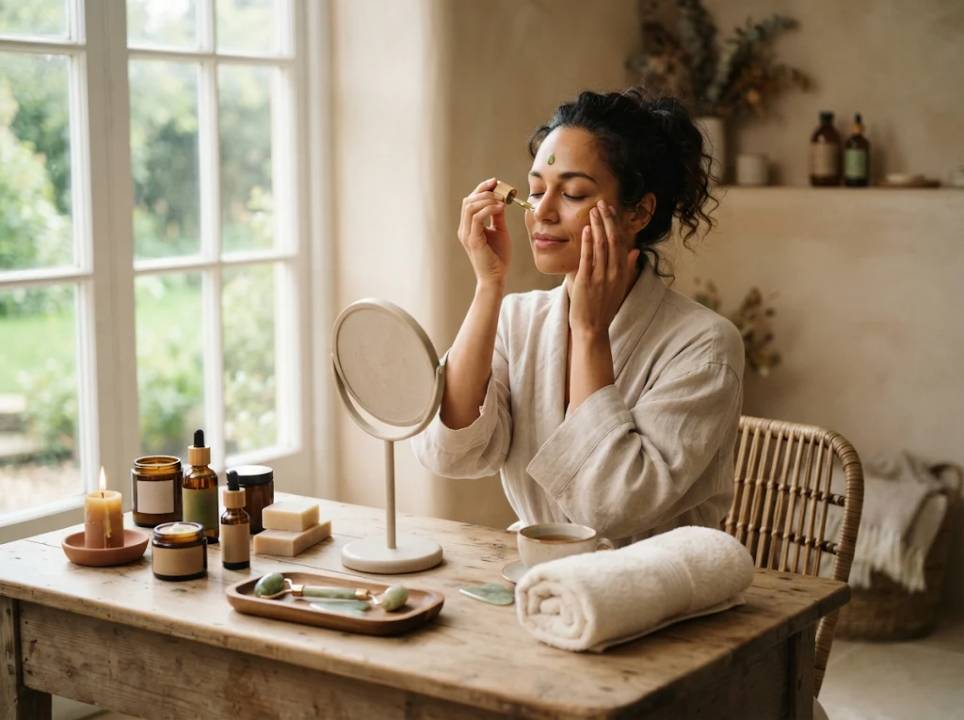
The skincare aisle is crowded with promises: glowing skin in seven days, miracle serums, ten-step routines. In reality, healthy skin usually comes from a few simple habits repeated every day. This article explains an easy routine that suits most people, how to choose products without wasting money, which lifestyle habits matter more than any cream and how to read labels and claims. It is general wellness information and not medical advice. If you have a skin condition, allergies or sudden changes, speak with a qualified doctor or dermatologist.
Cleanse Gently
Washing the face once or twice a day removes dirt, sweat and sunscreen. Use lukewarm water and a mild cleanser that does not leave the skin tight or dry. Avoid harsh scrubbing and very hot water, which can damage the skin barrier. Pat dry with a clean towel.
The best routine is the one gentle enough that you can follow it for years without irritation.
Moisturize for Your Skin Type
Moisturizers help the skin hold water. Oily skin often prefers light gels, dry skin benefits from richer creams and sensitive skin needs fragrance-free formulas. Apply moisturizer while the skin is slightly damp. Resources such as the American Academy of Dermatology explain basic care for different skin types and common concerns.
If a new product causes burning, redness or itching, stop using it.
Protect Against the Sun
Daily sunscreen is one of the most effective habits for long-term skin health. Choose broad spectrum protection, apply enough product and reapply after sweating or swimming. Hats, sunglasses and shade add protection. Remember the neck, ears and hands.
Protection matters in cloudy weather and in winter, too.
Add Actives Slowly
Ingredients such as vitamin C, niacinamide, retinoids and acids can help with texture, spots and fine lines, but they can also irritate. Introduce one new product at a time, use it a few nights per week and watch how your skin responds. Do not combine many strong actives at once.
Patience is essential, since visible changes often take weeks or months.
Read Labels and Claims Carefully
Ingredient lists are ordered by concentration, and marketing words like natural, clean or dermatologist tested have no single meaning. Check for allergens, fragrance and your personal triggers. Imported products may carry labels in other languages, and brands that sell across Europe must follow labeling rules. Our article on product labeling and safety translation explains why accurate translation of warnings and instructions matters. Cosmetic brands selling in Central Europe often need hungarian translation services for packaging and websites.
If you cannot read the label, ask the seller or avoid the product.
Food, Water and Sleep
Skin reflects overall health. Eat fruits, vegetables, whole grains and healthy fats, drink enough water and limit sugar and alcohol. Sleep seven to nine hours when possible, since skin repairs itself at night. Regular exercise improves circulation and mood.
No cream can replace the effect of rest and balanced meals.
Manage Stress
Stress can trigger breakouts, dryness and sensitivity. Short walks, breathing exercises, stretching, music and time with friends help the body relax. Small rituals, such as a quiet evening skincare routine, can become moments of calm.
Treat wellness as a daily practice rather than a quick fix.
Avoid Common Mistakes
Do not pick at spots, sleep with makeup, share towels or use expired products. Avoid copying influencers without considering your skin. Test new products on a small area first. Replace sponges and brushes regularly, and clean them often.
Simple, consistent care beats complicated routines.
Body, Hands and Lips
Skin care does not stop at the face. Use gentle soap and lotion on the body, especially after showers, and protect hands with cream and gloves in cold weather or when cleaning. Lip balm with sun protection prevents dryness and cracking. Short nails and clean tools support hygiene and prevent small injuries.
A few extra minutes a day keep the whole body comfortable.
Seasonal Adjustments
Winter air is dry and may need richer creams, while summer calls for lighter textures and more sun protection. Travel, pollution and air conditioning also affect the skin. Adjust your routine slowly, and keep a small travel kit with cleanser, moisturizer and sunscreen.
Listen to your skin, and change products only when there is a clear reason.
When to See a Professional
Seek medical advice for persistent acne, painful or bleeding spots, changing moles, severe dryness or reactions to products. A professional can diagnose problems and prescribe treatments that cosmetics cannot provide. Bring a list of products you use and any allergies.
Early care often prevents bigger problems later.
Building a Realistic Routine
A simple morning routine can include a gentle cleanser, a light moisturizer and sunscreen. In the evening, use cleanser, treatment if needed and moisturizer. This takes about five minutes and covers the basics. Write the steps on a card near the mirror, and keep products where you can see them. If you travel often, buy small containers of your favorites so that the routine continues on the road.
A routine that fits easily into your day is far more useful than a perfect plan you abandon after a week.
Budget and Value
Expensive products are not always better. Many affordable brands offer effective basics with simple formulas. Spend more on sunscreen you enjoy wearing, and less on items that stay on the skin for a few seconds, such as cleansers. Compare ingredient lists, read independent tests and buy small sizes when trying something new.
Return policies and samples help you avoid wasting money on products that do not suit you.
Men, Women and Everyone Else
Skin does not follow gender rules. Shaving, hormones, age and climate all influence what skin needs. Choose products by skin type and concerns rather than by packaging colors. After shaving, use a soothing moisturizer and a clean razor, and change blades often.
Everyone benefits from the same basics: cleanse, moisturize and protect.
Sunscreen Myths and Facts
Many people think that darker skin does not need sunscreen, or that a base layer of makeup is enough protection. In fact, every skin tone benefits from daily protection, and most makeup does not provide the level of coverage shown on sunscreen labels. Use a generous amount, about a teaspoon for the face and neck, and reapply during long days outside.
Check the expiry date and store the bottle away from heat.
Cleansing Mistakes to Avoid
Over washing strips natural oils and can cause dryness and irritation. Foaming cleansers that leave the skin squeaky are usually too strong. Remove makeup with a gentle balm or oil before washing, and avoid rough towels.
If the skin feels tight after washing, change the product.
Skin and Mental Health
Persistent skin problems can affect confidence and mood. Speaking to a doctor, a counselor or a supportive friend can help. Treat yourself with patience, and remember that skin changes with age, hormones and seasons.
Care for the person, not only for the skin.
Reading Ingredient Lists
Learn a few common names, such as glycerin and hyaluronic acid for hydration, ceramides for barrier support and zinc oxide for mineral sun protection. Check for ingredients you know cause reactions, and patch test new products on the inner arm.
Short ingredient lists often make it easier to find triggers.