SaaS businesses generate customer information through multiple platforms every day. Product analytics tools record login activity and feature usage, billing applications track subscription payments, and support systems collect complaints and service requests.
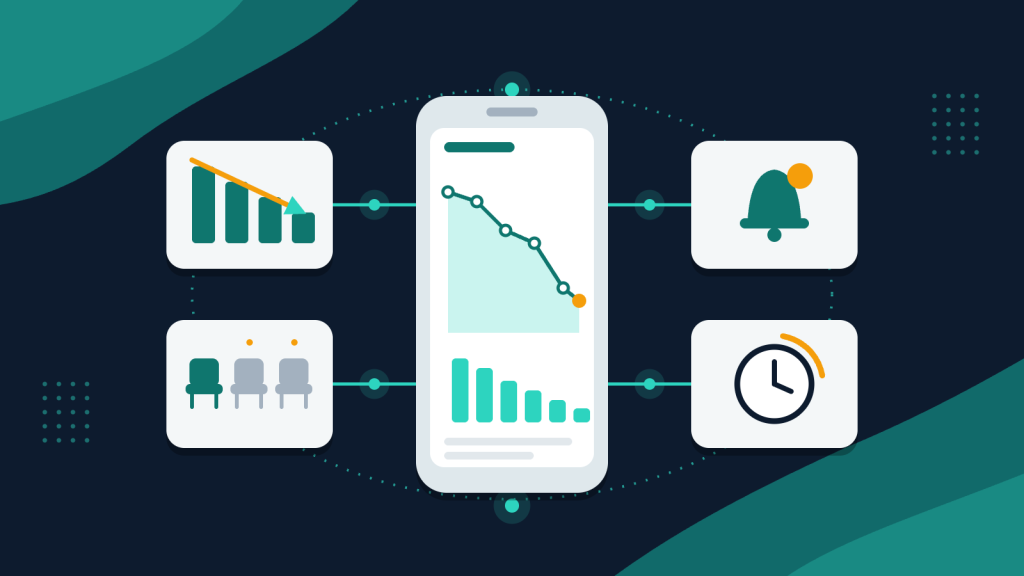
Consider a customer whose product usage has declined over the last month. Their subscription remains active, but they have also submitted several support tickets about unresolved problems. While billing records suggest the account is healthy, declining engagement and repeated complaints could indicate potential cancellation.
1. Why SaaS Businesses Need Connected Customer Data
An AI development company can help SaaS businesses build intelligent systems that combine information from different platforms and support better decisions.
Customer retention depends on several factors, including product engagement, payment reliability, and customer satisfaction.
For example:
- Declining product usage may indicate reduced customer engagement.
- Repeated payment failures can create subscription difficulties.
- Unresolved support tickets may contribute to dissatisfaction.
- Reduced team participation may indicate that customers are reconsidering their subscription.
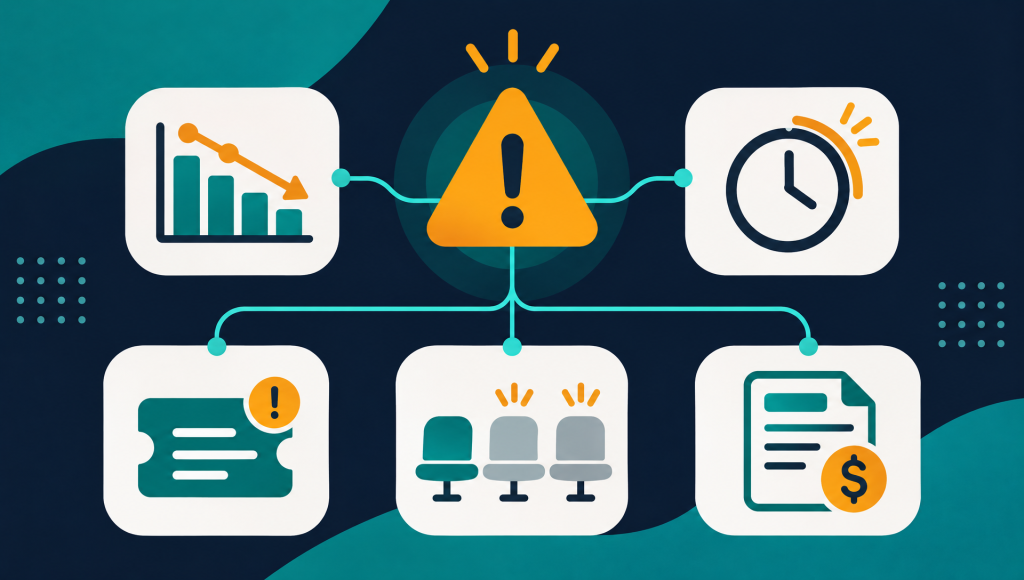
Individually, these events do not necessarily indicate churn. However, several appearing together can provide stronger warning signals.
Challenges of disconnected systems
When product analytics, CRM, billing, and support applications operate independently, businesses often experience incomplete customer visibility, inconsistent reporting, delayed decisions, and missed warning signals.
Customer success managers may need to check several applications before understanding why an account is experiencing difficulties.
Connected data systems address this problem by creating a unified view of customer activity.
2. Understanding the Three Main Sources of Customer Data
A useful customer intelligence system combines information from three important sources: product usage, billing, and customer support.
Product usage data
Product usage information explains how customers interact with a SaaS application and whether they regularly use its important features.
Key indicators include:
- Login frequency and active user counts.
- Feature adoption and usage patterns.
- Session activity and completed workflows.
- Changes in team seat utilisation.
For instance, a company with ten employees using a project management platform may initially have eight active users. If only three remain active after several weeks, this could indicate declining product adoption.
AI models can compare recent activity with historical patterns to distinguish temporary fluctuations from longer-term engagement declines.
Billing and subscription data
Billing information provides insight into customers' financial relationship with a SaaS business.
Relevant indicators include failed payments, subscription downgrades, delayed invoices, refunds, renewal dates, and changes in monthly recurring revenue.
A customer moving from an enterprise subscription to a basic plan may be reconsidering the service's value. If this happens alongside reduced product usage, the account may require additional attention.
AI analysis can help distinguish payment-related difficulties from dissatisfaction with the product.
Customer support data
Support interactions reveal problems that may not appear in product analytics or billing reports.
Useful indicators include repeated complaints, unresolved tickets, resolution times, escalation frequency, customer satisfaction scores, and sentiment expressed in conversations.
Natural language processing (NLP) can analyse written support conversations to identify recurring issues and negative sentiment.
For example, if a customer repeatedly reports an integration problem without receiving a satisfactory resolution, the system can flag the account for investigation.
Combining support information with usage and billing records helps explain declining customer engagement.
3. How AI Connects Information Across Different Platforms
Collecting customer information is only the beginning. The bigger challenge is connecting records from different applications and preparing them for consistent analysis.
A customer may have one identifier in a billing platform, another in a CRM system, and a different account reference in a support application.
A connected AI system needs a structured integration process.
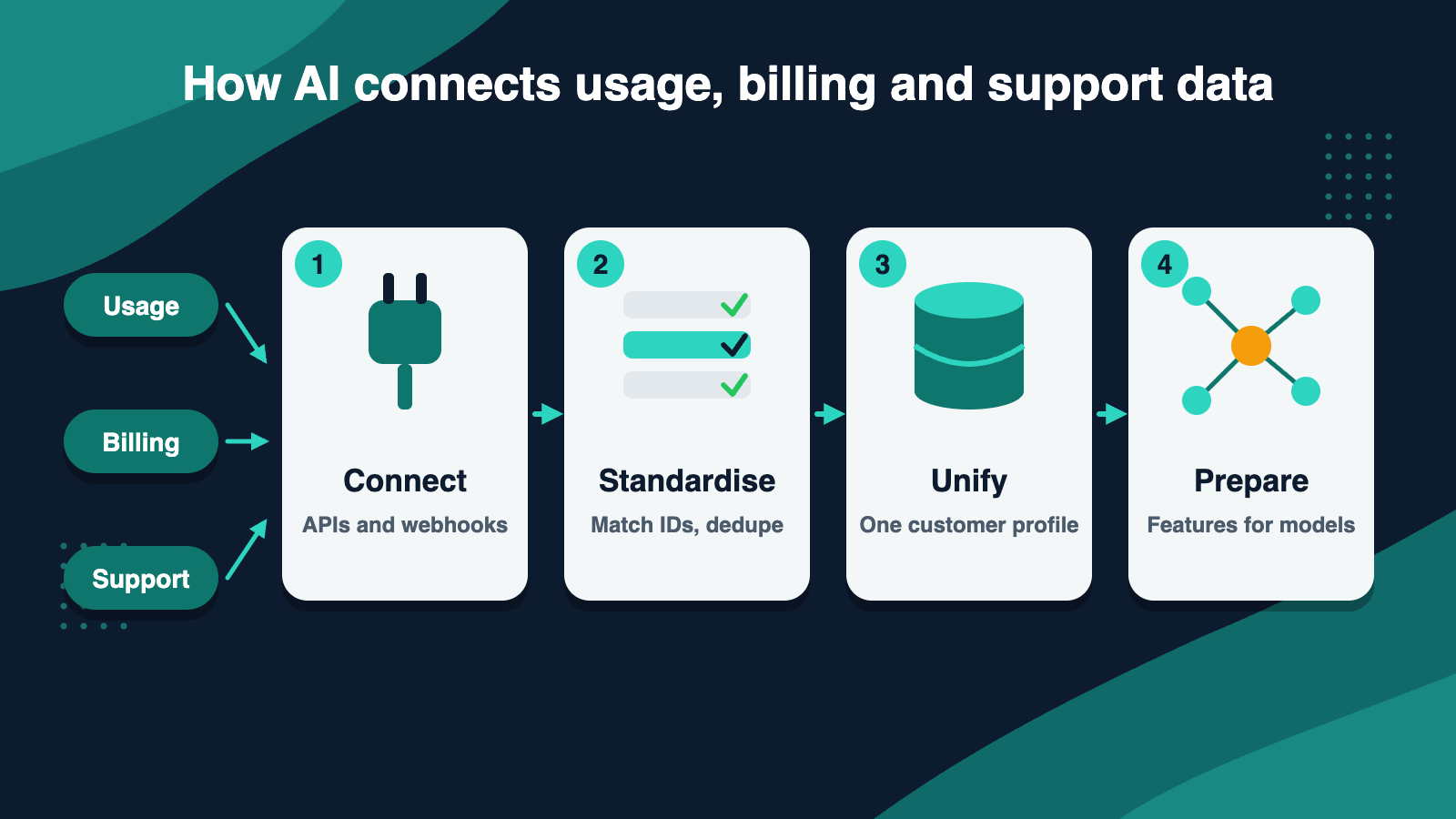
Step 1: Connect existing applications
Businesses can use APIs, webhooks, scheduled imports, and event pipelines to collect information from existing platforms.
For example, Stripe or Chargebee can provide subscription information, Segment can capture product events, HubSpot or Salesforce can manage customer records, and Zendesk or Intercom can supply support information.
Payment failures may require immediate notifications, while certain usage reports can be processed daily.
Step 2: Standardise customer records
Information from different applications must be organised into consistent formats before analysis.
This involves matching customer IDs, removing duplicate records, standardising timestamps, correcting missing values, and connecting individual users with their business accounts.
This is particularly important for B2B SaaS companies, where one account may contain several employees, administrators, and billing contacts.
Step 3: Create a unified customer data environment
Standardised information can be stored in a central data warehouse or another suitable analytical environment.
A unified customer profile may include subscription details, recent login activity, feature adoption, payment history, unresolved support tickets, and previous customer success interactions.
This gives AI models a broader understanding of each account without requiring businesses to replace existing applications.
Step 4: Prepare information for AI analysis
Raw customer records must be converted into meaningful indicators before machine learning models can analyse them.
For example, login timestamps can help calculate weekly active user changes, days since the last administrator login, and feature adoption over the previous 30 days.
Other indicators include payment failure frequency, average support resolution time, and unresolved tickets.
These prepared indicators, commonly called features, help machine learning models identify patterns associated with customer retention and churn.
4. How Machine Learning Identifies Early Churn Signals
Once customer information is connected and prepared, machine learning models can analyse historical behaviour to identify patterns associated with cancellations, downgrades, and non-renewals.
Unlike traditional reporting systems, predictive models estimate the likelihood of future events.
Learning from historical behaviour
A churn prediction model examines historical examples of customers who remained subscribed and those who eventually left.
It may discover that customers who cancelled frequently experienced declining weekly activity, reduced feature adoption, repeated support complaints, or failed payments.
These patterns can then help evaluate the behaviour of existing customers.
Generating customer health scores
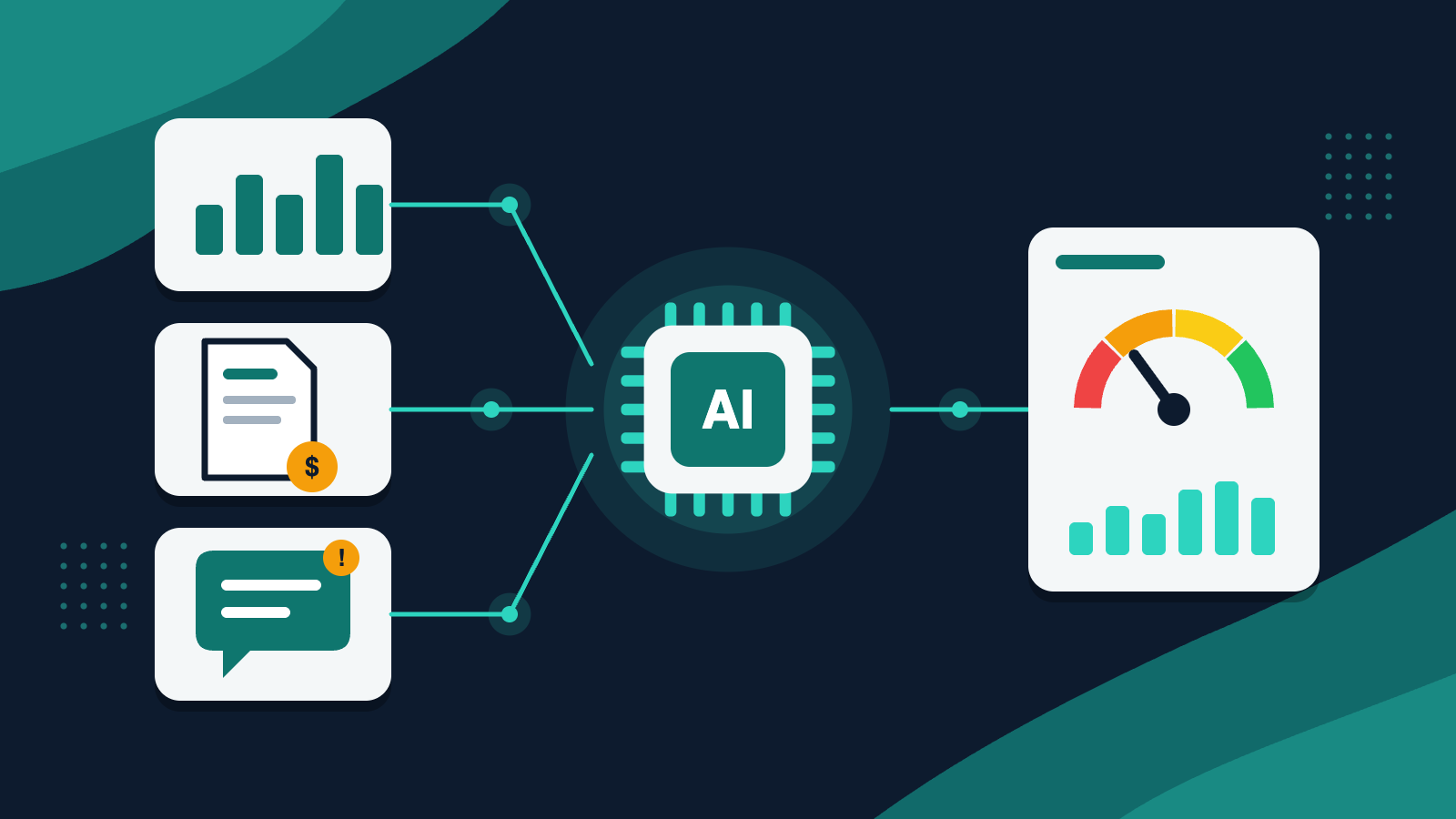
AI systems can combine different indicators into a customer health score.
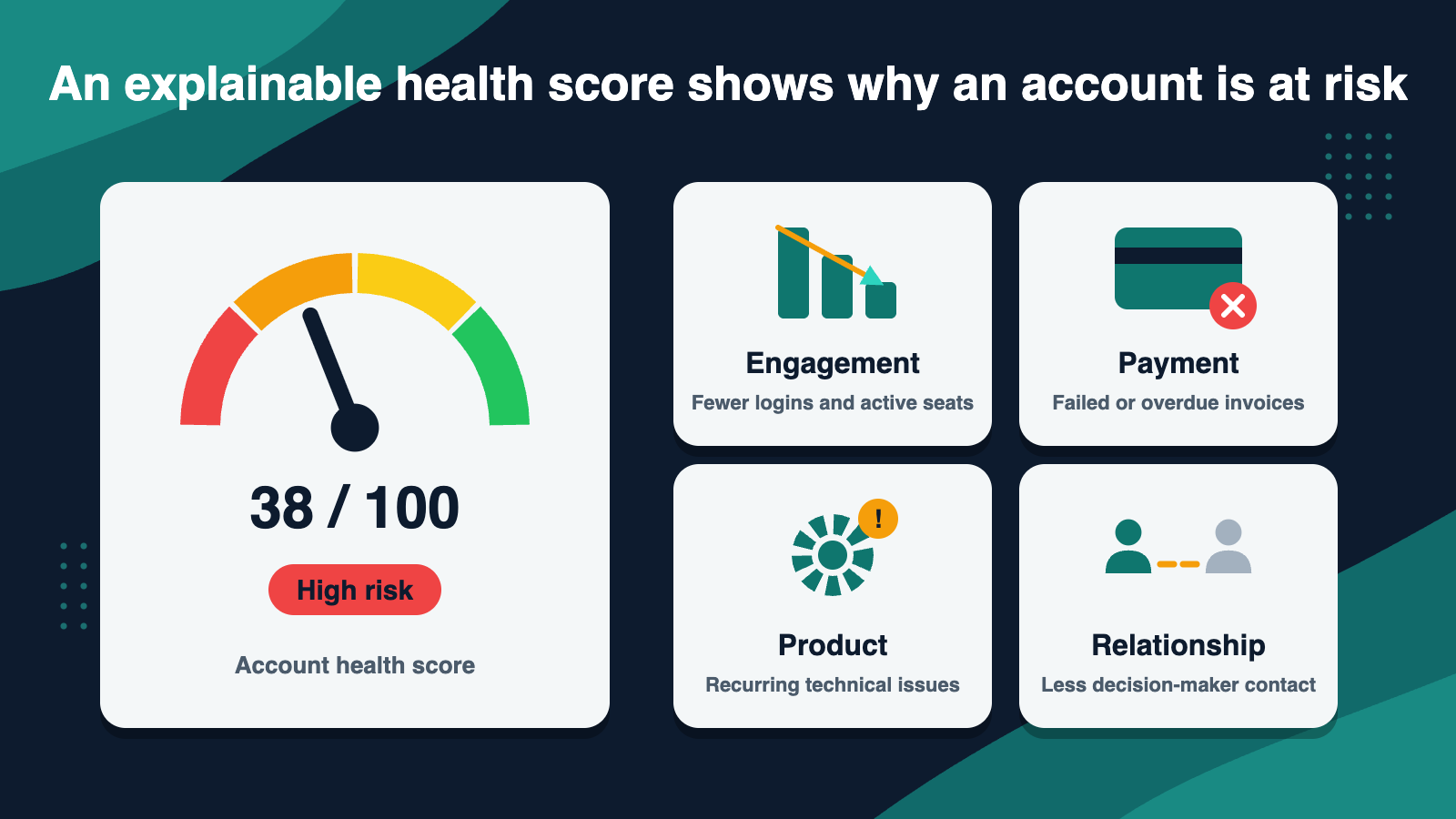
For example, an account receiving a score of 38 out of 100 might be considered high risk.
However, the system should also explain the reasons behind the result, such as declining product usage, inactive team members, unresolved complaints, or an approaching renewal date.
An explainable score is more useful than an unexplained prediction because customer success teams need to understand the problem before responding.
Identifying different types of churn risk
AI systems can distinguish between several types of customer risk:
- Engagement-related risk: Reduced logins, feature usage, or team participation.
- Payment-related risk: Failed transactions, overdue invoices, or billing difficulties.
- Product-related risk: Recurring technical issues or difficulties using important features.
- Relationship-related risk: Reduced communication or limited involvement from key decision-makers.
Understanding these categories helps businesses develop relevant retention strategies instead of sending identical messages to every customer.
5. Turning AI Insights Into Customer Retention Actions
Identifying customers who may leave is useful, but the real business value comes from taking appropriate action.
A predictive system should help employees understand problems and determine what needs attention.
| Customer situation | Recommended response |
|---|---|
| Declining product usage | Offer onboarding assistance or feature training |
| Repeated payment failures | Provide billing support |
| Multiple unresolved complaints | Escalate issues to the support team |
Automated alerts and notifications
When an account's health score changes significantly, the system can notify the responsible customer success manager through email, Slack, or a CRM platform.
A useful notification should include the customer name, current health score, reasons for the risk, subscription value, renewal date, and suggested next action.
This reduces the time employees spend switching between applications to understand customer problems.
AI-supported customer success workflows
AI can also create follow-up tasks, summarise account activity, and recommend appropriate actions.
For example, when a customer experiences declining usage and submits repeated complaints, the system can flag the account, summarise recent activity, recommend a technical review, and create a follow-up task for the account manager.
Advanced applications can also prepare personalised emails and engagement suggestions. However, important customer communications should retain appropriate human review.
6. Challenges of Building Connected AI Systems
Connecting customer information successfully requires careful technical planning.
Data quality: Duplicate records, missing information, and incorrect timestamps can affect model accuracy. Businesses need regular data validation and integration monitoring.
Customer identity matching: Different applications may use different identifiers for the same account. Incorrect matching can associate one customer's support complaints with another customer's subscription.
Privacy and security: Customer records may contain personal information, payment-related details, and business communications. Encryption, role-based access, secure API authentication, audit logs, and suitable data retention policies are important.
Changing customer behaviour: A temporary decline in usage does not always indicate churn. Some customers may use a platform less frequently because they have completed a project or automated a workflow. Models must account for these differences.
Businesses should regularly evaluate prediction accuracy, monitor false positives, and update models as customer behaviour changes.
7. Measuring the Success of AI-Powered Retention Systems
Developing an AI system is not the final objective. Businesses need to determine whether it actually improves customer retention.
Customer churn rate
Customer churn rate measures the percentage of customers lost during a particular period.
For example, if a SaaS business begins a month with 500 customers and loses 25, its monthly customer churn rate is 5%.
Businesses can compare churn rates before and after implementing AI-supported retention workflows.
Net revenue retention
Net revenue retention (NRR) measures how much recurring revenue a business retains from existing customers after accounting for expansion, contraction, and churn.
It is particularly useful for B2B SaaS companies because losing a large enterprise account can have a significant financial impact.
Prediction precision and recall
Precision measures how many customers flagged as likely to churn actually leave. Recall measures how many customers who eventually churned were identified by the model.
Both metrics matter. Too many false alerts can overwhelm customer success teams, while missed predictions can prevent businesses from addressing genuine retention problems.
Companies should also monitor renewal rates, resolved support issues, and revenue retained after customer outreach.
8. Choosing the Right AI Development Approach
Building a successful customer intelligence system requires more than selecting a machine learning algorithm. It involves data engineering, software architecture, application integration, security, model development, and ongoing monitoring.
An experienced AI development company should understand the business requirements before recommending a technical solution.
The development process should cover:
- Requirement analysis: Define the customer behaviour the system needs to monitor and predict.
- Integration planning: Identify existing applications and determine how their information will be collected.
- Data engineering: Build pipelines that clean, standardise, and organise customer records.
- AI model development: Select suitable machine learning approaches based on available historical information.
- Application development: Build dashboards, customer profiles, alerts, and workflows.
- Testing and monitoring: Evaluate model performance, data quality, security, and business outcomes.
Companies such as Triple Minds work in the AI and software development space, making them relevant to businesses exploring custom AI applications.
Conclusion
Building AI systems that connect customer usage, billing, and support data gives SaaS businesses a more complete understanding of customer behaviour.
Product analytics explains how customers interact with a platform, billing records reveal subscription activity, and support conversations provide insight into customer difficulties.
When these sources are connected through reliable data pipelines and analysed using suitable AI models, businesses can identify potential retention problems earlier and make better-informed decisions.
Successful implementation also depends on data accuracy, customer identity matching, model explainability, security, and actionable workflows.
Frequently Asked Questions
1. Why should SaaS businesses connect customer usage, billing, and support data?
Connecting these sources provides a broader understanding of customer health. It helps identify patterns that may remain hidden when product activity, payment history, and support interactions are analysed separately.
2. How does AI help identify customers who may churn?
AI models analyse historical customer behaviour and identify patterns associated with cancellations or non-renewals, including declining product usage, failed payments, and unresolved support tickets.
3. What technologies are used to build connected AI systems?
Common technologies include APIs, webhooks, PostgreSQL, Apache Kafka, cloud data warehouses, and machine learning frameworks. The right combination depends on application complexity and data requirements.
4. Can AI predict customer churn in real time?
Yes. Event-driven data pipelines can process important customer activities as they occur. However, some predictions also require historical information and scheduled analysis.